Story / Peru / Trekking
Most people reach Machu Picchu by train, or by the Inca Trail with its permits and its crowds. I walked in the long way: five days under a sacred glacier, over a 15,000 foot pass, and down through cloud forest to the ruins.
The Salkantay trek starts the way all good Andean days start, too early and too cold, in the village of Soraypampa. Above it hangs Salkantay itself, 20,574 feet of ice and black rock. The Inca treated the mountain as an apu, a living god, and after a few days in its weather you stop finding that idea strange. The mountain decides everything here: the wind, the light, whether you pass.
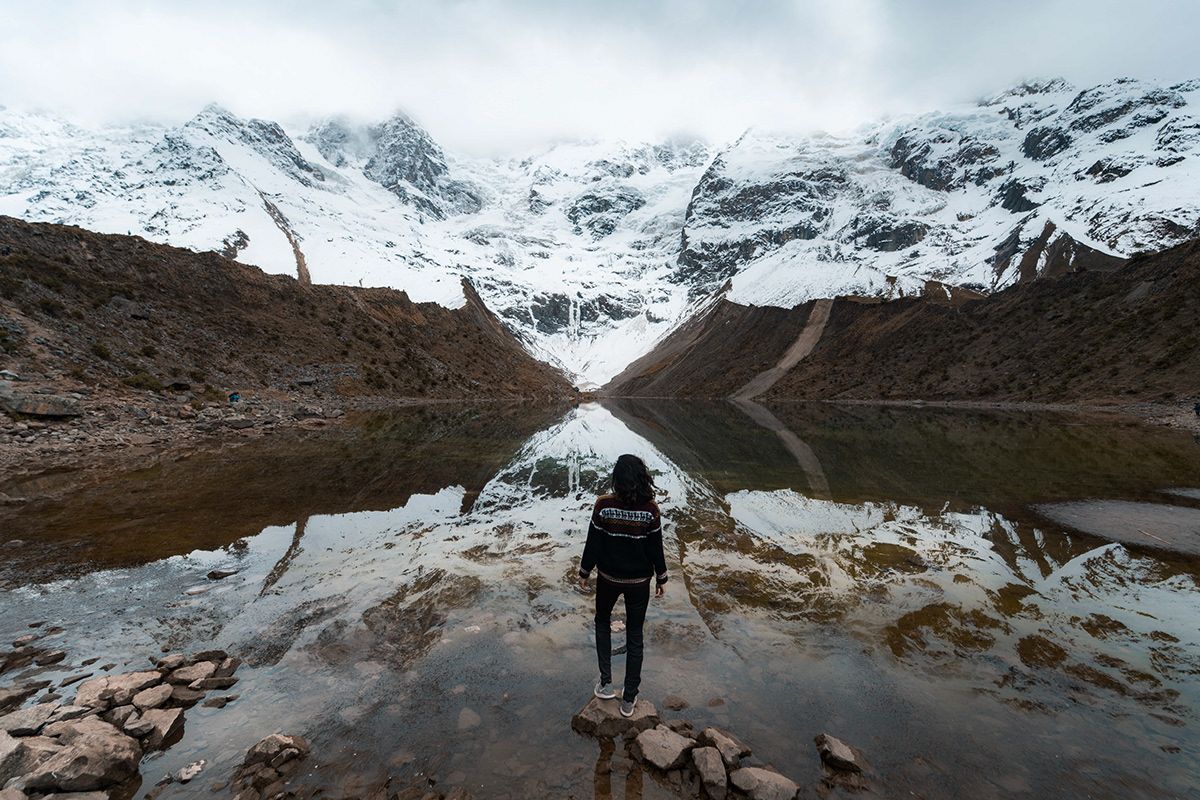
The warm-up is a side trip to Humantay Lake, a milky turquoise pool held in by a moraine under the glacier. It is the first photo everyone takes on this trek and it earns it. Go early. By mid-morning the tour groups arrive and the reflections get company.
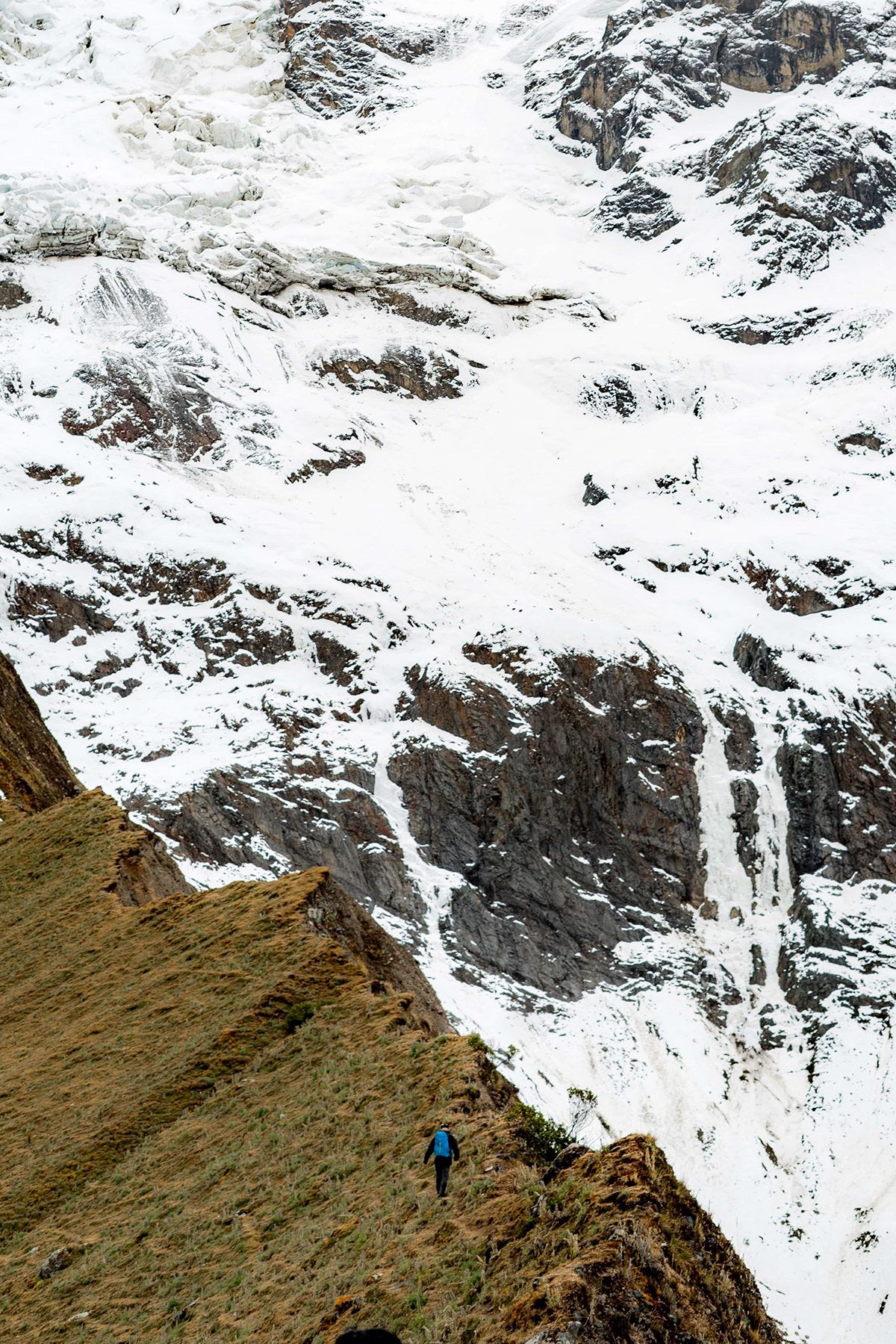
The pass is the whole trek compressed into one morning: Abra Salkantay, 15,190 feet, higher than any summit in the continental United States. The trail climbs through boulder fields while the glacier cracks somewhere above the clouds. Altitude makes photographers stupid and slow, so the craft rule up here is simple. Decide your frames the night before, keep the camera outside the pack, and shoot less than you want to.
At the top, trekkers stack stones into little towers called apachetas, offerings to the mountain. Then the world tips downhill, and within hours the ice gives way to orchids, hummingbirds, and air you can actually breathe.
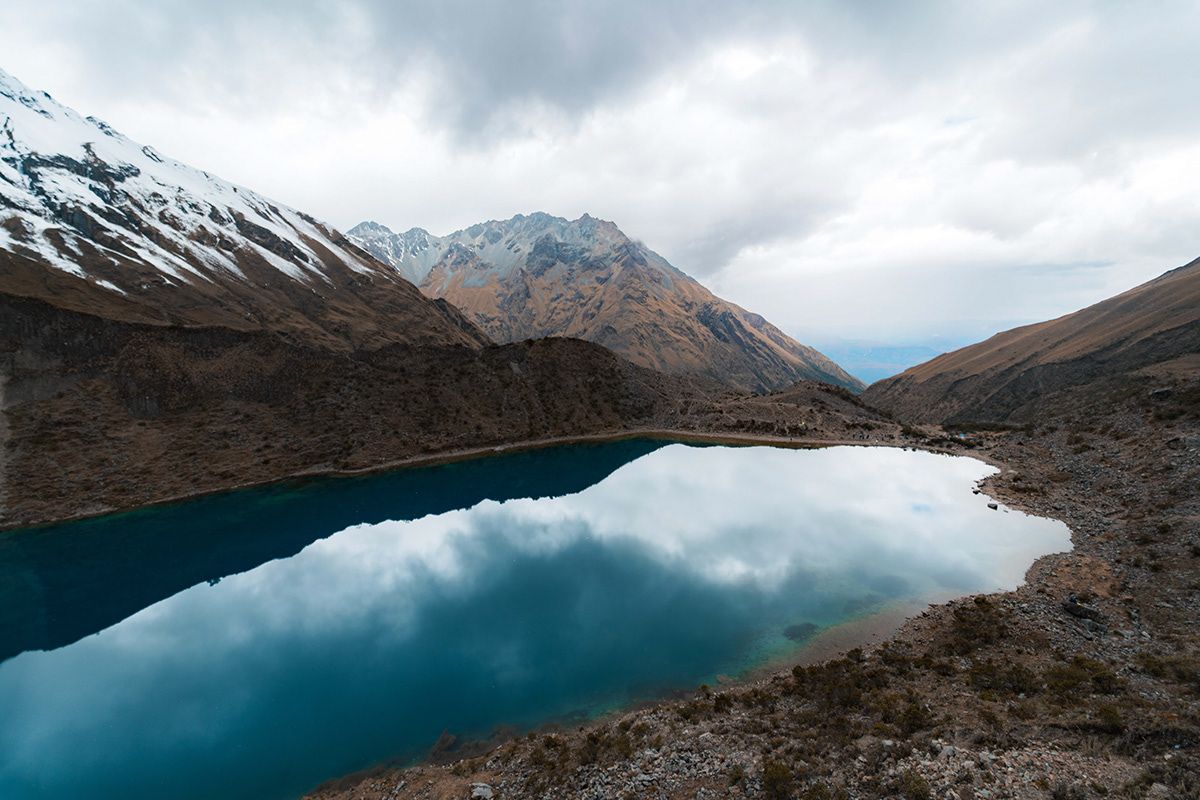
The back half of the trek is a slow walk out of winter. Cloud forest, coffee farms, a zip of hot springs near Santa Teresa if your knees file a formal complaint. On the last morning you follow the railroad tracks into Aguas Calientes, and the next day you are standing in Machu Picchu at dawn, having arrived the way the place deserves: on foot, tired, and completely earned.
The full photo set from this trek lives in the Salkantay gallery. Work from it was featured by Peru's national tourism board, which still surprises me more than the altitude did.